mindfulness

    Contemplative Practices and Soteriological Epistemology: Carrying Forward the Phenomenological Project

    According to Odysseus Stone and Dan Zahavi’s view, canonical Phenomenology is specifically concerned with analyzing the mind-world dyad and its theoretical implications for philosophy and science. Despite widespread adoption in therapy and research, they claim that mindfulness is ambiguously described as the practice of bare attention and nonjudgment, either on perceptual objects or subjective acts. Thus, comparisons that liken Phenomenology to mindfulness are inaccurate because mindfulness is primarily concerned with how we experience the world. Furthermore, such comparisons have misconstrued Edmund Husserl’s phenomenological attitude and method of epoché and reduction, resulting in a lax usage of the term “Phenomenology.” However, I argue that within their originating soteriological milieu, meditative practices like mindfulness are no less concerned with knowledge of reality than Phenomenology.

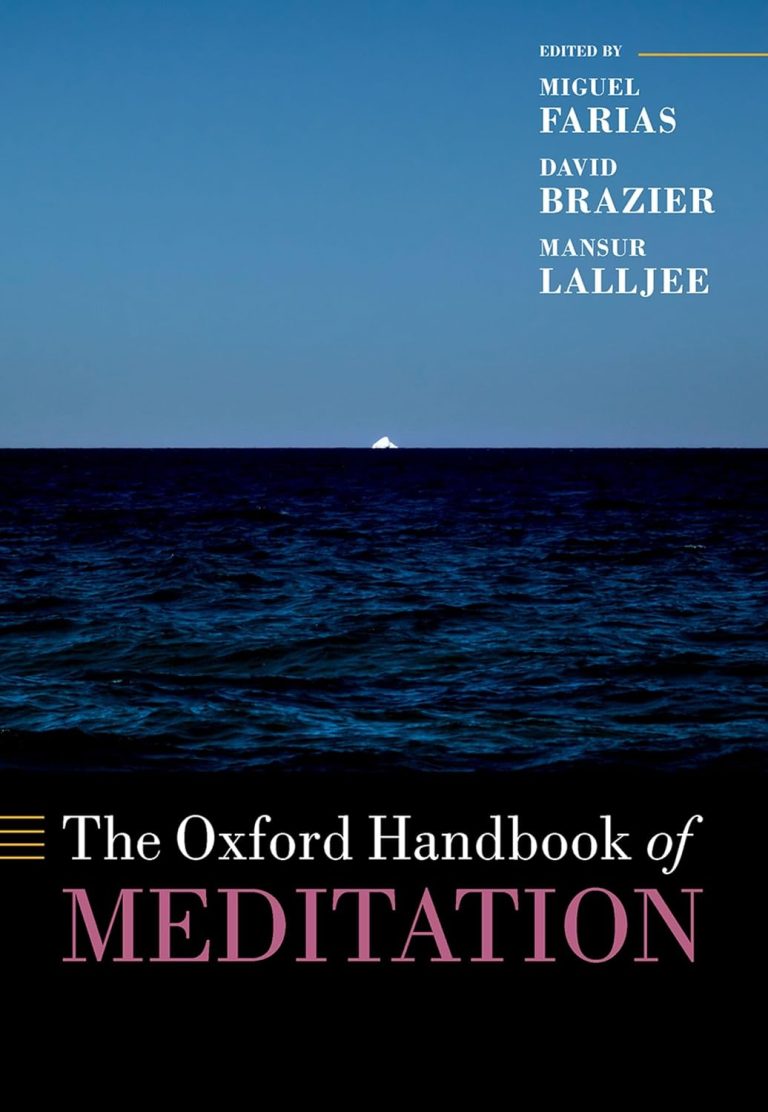
    Review of The Oxford Handbook of Meditation

    This review examines this expansive and valuable recently edited volume on the study of meditation. Dawson attends to larger conceptual orientations of the volume and its specific contributions in his review, and finds that “the breadth of different approaches to meditation is, in fact, one of the Handbook’s prime virtues…. Discussions of meditation are polyphonic—they comprise many voices. The plurality of voices is, however, balanced by listening; conversations take place on these pages. The Handbook amply displays the diverse multidisciplinary discussions underway in the field of meditation studies.”

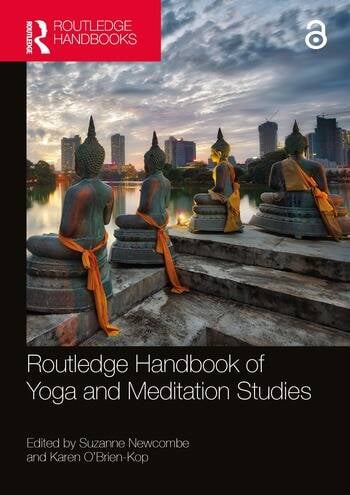
    Review of Routledge Handbook of Yoga and Meditation Studies

    This review discusses a helpful edited volume featuring recent scholarship on yoga and meditation studies that address the question: “What exactly is meditation?” In response, the editors “aim to expand the focus of meditation studies to show the diversity of South Asian meditation, including discussions of teachers writing in Telegu, Tamil, Malayalam, and other languages and texts including not only texts about meditation but also songs, poems, letters, and popular devotions. These discussions show the multiplicity of Hindu and South Asian forms of meditation and yoga, engaged in interreligious encounter with Buddhism, Jainism, Sikhism, Islam, and Christianity.”